
Why Induction Cap Sealing is Critical for Pharmaceutical Packaging
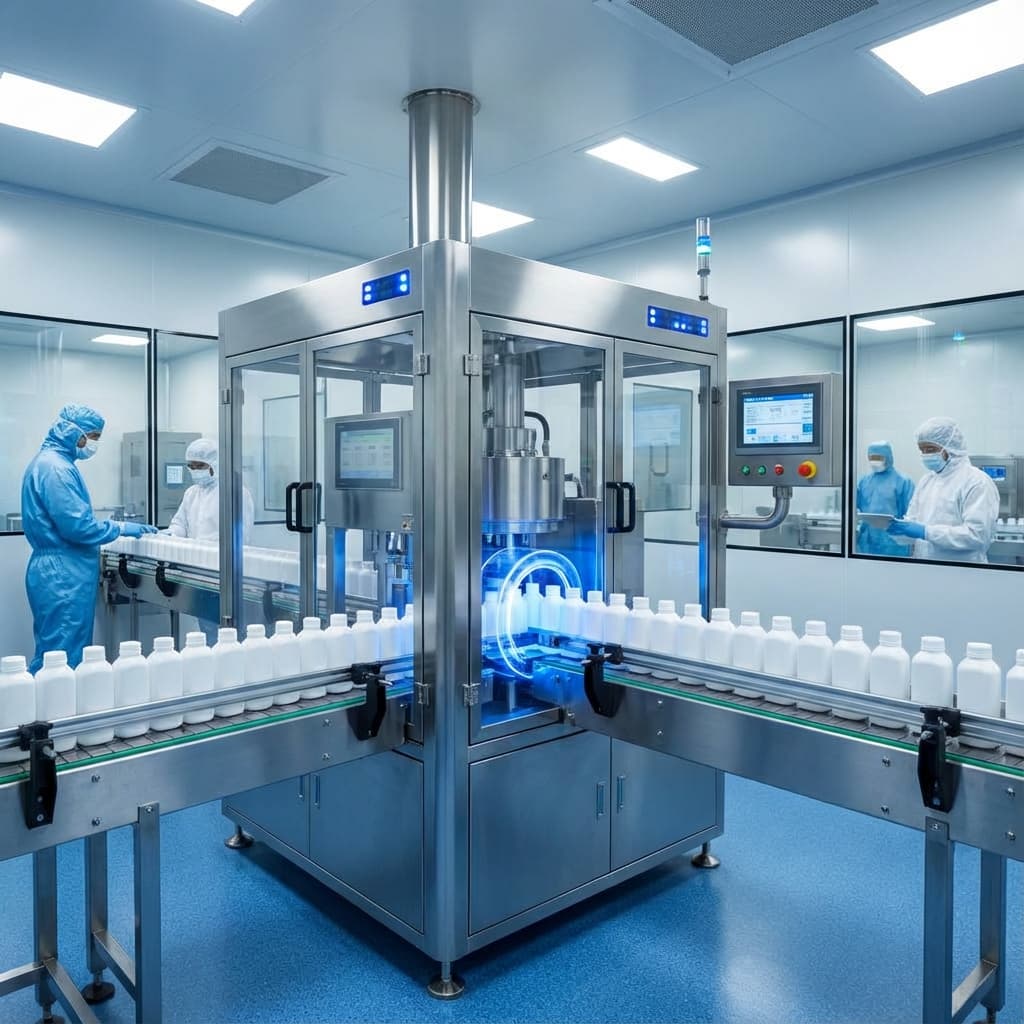
In the pharmaceutical industry, product integrity is not just a requirement—it's a patient safety mandate. One of the most effective ways to ensure this integrity is through induction cap sealing. This process creates a hermetic seal on the container top, providing evidence of tampering and preventing leakage.
Tamper Evidence: A First Line of Defense
The most visible benefit of induction sealing is tamper evidence. An intact foil liner gives consumers confidence that the medication hasn't been opened or altered since it left the factory. If the seal is broken or missing, it is immediately obvious. This layer of security is crucial for building trust with patients and healthcare providers.
Extending Shelf Life through Hermetic Sealing
Pharmaceuticals are often sensitive to oxygen and moisture. A hermetic induction seal acts as a perfect barrier, locking out these elements. By preventing oxidation and moisture ingress, induction sealing significantly extends the shelf life of products, ensuring they remain potent and effective until their expiration date.
Leak Prevention During Transit
From the manufacturing facility to the pharmacy shelf, liquid medicines endure rigorous handling. Without a secure seal, caps can loosen due to vibration, leading to costly leaks and contamination. Induction sealing bonds the liner to the bottle lip, creating a bond that is stronger than the cap torque itself, virtually eliminating transit leaks.
Conclusion
For pharmaceutical manufacturers, an automatic induction cap sealing machine is an investment in quality and compliance. It protects the product, the brand reputation, and most importantly, the patient.