
Air-Cooled vs Water-Cooled Induction Sealers: Which is Better?
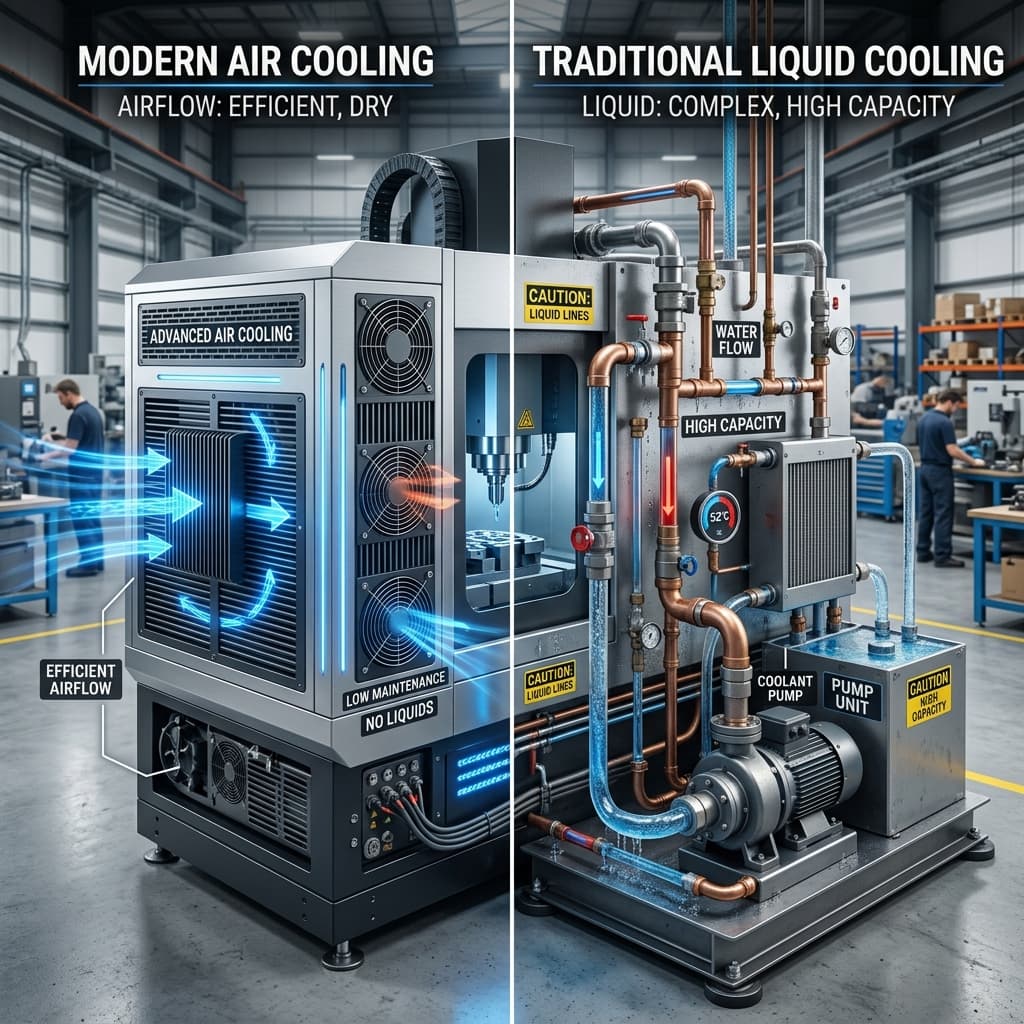
When choosing an induction sealing machine, one of the most critical decisions is selecting the cooling system. Induction sealers generate significant electromagnetic energy, which produces heat that must be dissipated to maintain continuous operation. Historically, water-cooling was the only option for high-speed lines, but modern technology has shifted the landscape.
The Traditional Approach: Water-Cooled Sealers
Water-cooled induction sealers circulate water through the induction coil and power supply to dissipate heat. While highly effective at cooling, they come with substantial drawbacks. They require an external water chiller, plumbing, and regular maintenance to prevent mineral buildup and algae growth. This increases both the initial footprint and the long-term operational costs.
The Modern Standard: Air-Cooled Sealers
Advancements in power electronics and coil design have made air-cooled induction sealers the industry standard. Machines like the Prime II Automatic Induction Cap Sealing Machine use high-efficiency fans and optimized heat sinks to run continuously without a drop of water.
- Zero Plumbing Required: No chillers, no hoses, and no risk of water leaks near your packaging line.
- Smaller Footprint: By eliminating the chiller, the machine takes up significantly less space on the production floor.
- Reduced Maintenance: Without water filters to change or coolant to monitor, air-cooled systems are virtually maintenance-free.
Which Should You Choose?
For 95% of modern packaging applications—including pharmaceutical, food, and chemical lines running at high speeds (up to 100+ bottles per minute)—an air-cooled sealer is the superior choice. Water-cooled systems are generally only necessary for extreme, specialized applications running massive containers at extraordinary speeds.