
A Complete Guide to Tamper-Evident Pharmaceutical Packaging
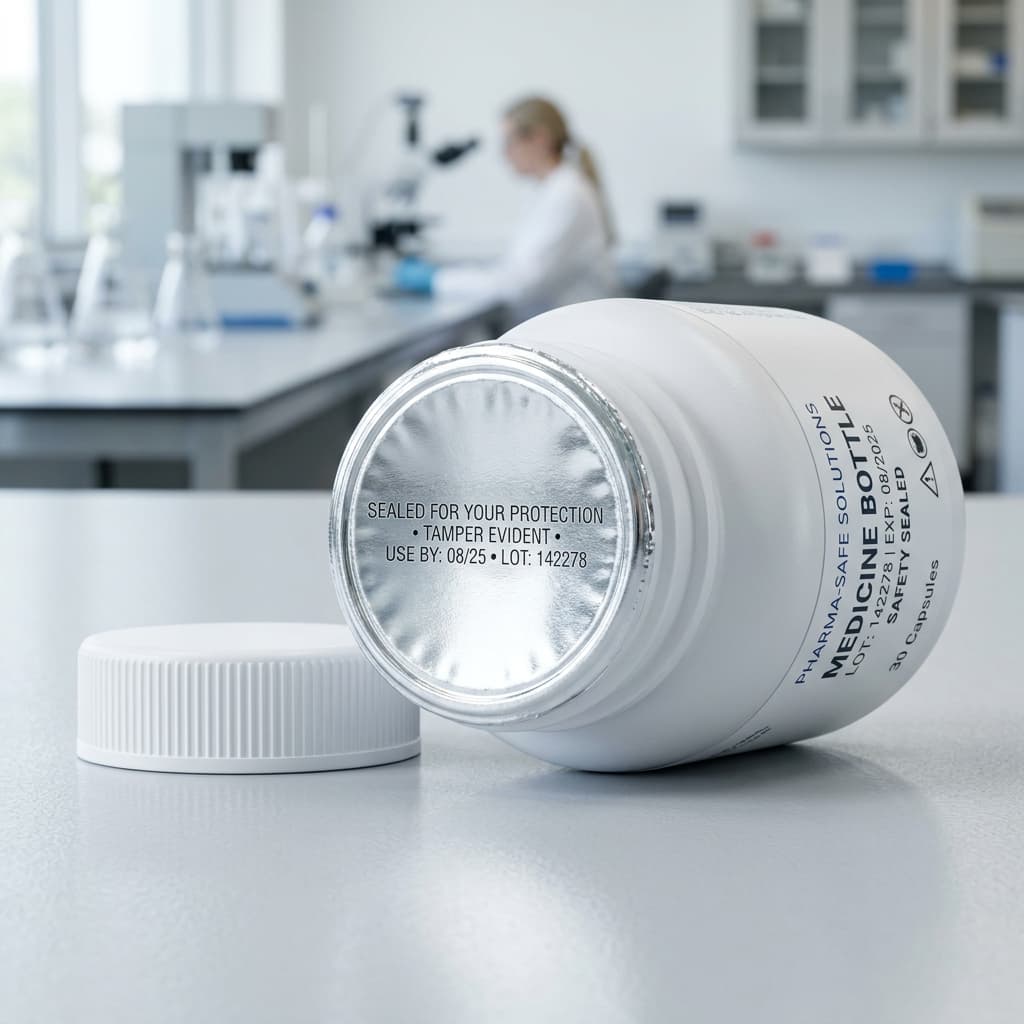
In the pharmaceutical industry, patient safety begins long before a medication is consumed—it starts on the packaging line. A crucial component of this safety protocol is tamper-evident packaging. In this guide, we explore why induction cap sealing is the ultimate solution for securing medical containers.
What is Tamper-Evident Packaging?
According to global health regulators like the FDA, a tamper-evident package must have an indicator or barrier to entry which, if breached or missing, provides visible evidence to consumers that tampering has occurred. While shrink bands and break-away rings offer some protection, a hermetic induction foil seal welded directly to the bottle lip is considered the gold standard.
How Induction Sealing Protects Pharmaceuticals
- Immediate Visual Verification: When a patient opens a pill bottle or syrup, the shiny silver foil liner must be punctured. If it is torn or missing, the patient instantly knows the product is compromised.
- Moisture and Oxygen Barrier: Beyond tamper evidence, the foil creates a perfect hermetic seal that locks out moisture and oxygen, extending the shelf life of sensitive tablets and powders.
- Counterfeit Deterrence: Custom-printed induction foils (featuring the company logo or warning text) make it exceedingly difficult for counterfeiters to replicate the packaging.
GMP Compliance and Automation
To meet Good Manufacturing Practice (GMP) standards, the application of these seals must be consistent and verifiable. Advanced machines like the Prime II Automatic Induction Cap Sealing Machine feature internal sensors that monitor the sealing process in real-time, automatically detecting and rejecting bottles with missing foils.